

The Enduring Appeal of the Human Touch in Interior Design
In an era dominated by rapid manufacturing and automated assembly lines, the concept of ‘custom’ has often been diluted. However, at Bottega Michelangeli, we believe that the human touch is not just a nostalgic preference—it is a practical necessity for high-quality interior design. When it comes to custom cabinetry, the difference between a machine-cut box and a hand-finished piece is felt every time you open a drawer or run your hand along a countertop.
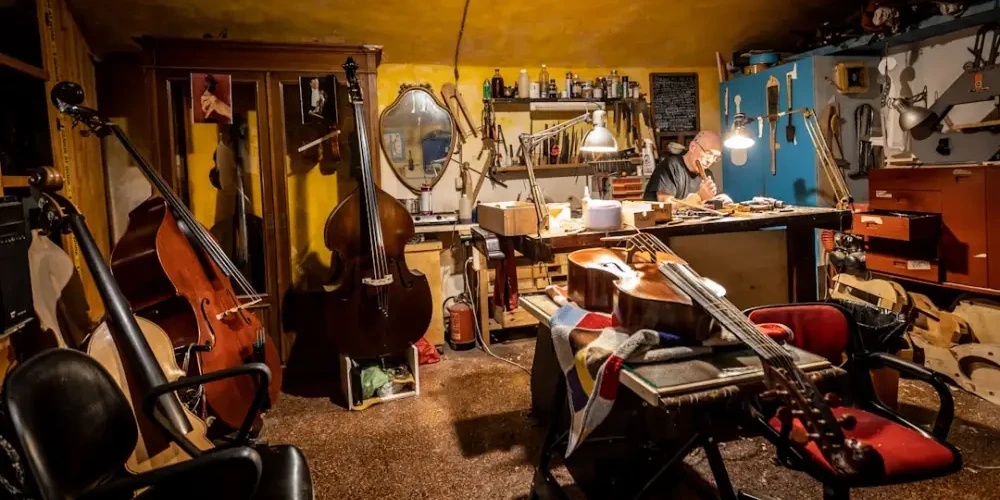
This dedication to artisanal skill is a testament to how we bridge the gap between traditional craftsmanship and modern design in every project we undertake.
Choosing handcrafted cabinetry is an investment in your home’s functionality and soul. While machines are excellent at repetition, they lack the intuition required to work with a living material like wood. In this guide, we will explore the practical reasons why the human element remains irreplaceable in modern cabinetry and how you can identify true craftsmanship in your next home project.
The Structural Integrity of Handcrafted Joinery
One of the most significant practical advantages of human-led cabinetry is the quality of the joinery. Mass-produced cabinets often rely on staples, glue, and cam-locks—methods designed for speed rather than longevity. A skilled artisan, however, understands the mechanical stress placed on a kitchen cabinet or a wardrobe over decades of use.
Traditional joints, such as dovetails or mortise-and-tenon, provide a level of structural integrity that machines struggle to replicate with the same nuance. A human woodworker adjusts each joint to the specific density and moisture content of the wood being used. This ensures that as the seasons change and the wood naturally expands and contracts, the cabinetry remains stable and functional. When you invest in the human touch, you are choosing furniture that is built to be repaired and maintained, rather than replaced.
Solving Unique Design Challenges Through Intuition
Every home has its quirks—unlevel floors, walls that aren’t perfectly square, or oddly positioned plumbing. This is where the practical value of a craftsman truly shines. A machine follows a digital blueprint without deviation, which can lead to awkward gaps or the need for excessive ‘filler’ strips that ruin the clean lines of a design.
A craftsman approaches a space with a problem-solving mindset. By measuring and fitting on-site, they can adjust the dimensions of the cabinetry to flow seamlessly with the architecture of the room. This bespoke approach allows for:
- Maximum Storage Efficiency: Utilizing every inch of a corner or an alcove that standard-sized units would miss.
- Seamless Integration: Ensuring that built-in units look like an original part of the home’s structure.
- Customized Ergonomics: Adjusting counter heights or drawer depths to specifically suit the physical needs of the homeowner.
The Sensory Experience of Material Selection
Wood is not a uniform material; every tree has a unique grain pattern, color variation, and texture. An automated system treats every board the same, often resulting in mismatched grain patterns that look disjointed once the cabinets are installed.
The human eye is essential for ‘book-matching’ and grain-mapping. A craftsman will spend hours selecting the right boards so that the grain flows continuously across drawer fronts and cabinet doors. This creates a visual harmony that elevates the entire room. Furthermore, the final sanding and finishing by hand allow the artisan to feel for imperfections that a sensor might miss, ensuring a tactile experience that is smooth and inviting.
A Practical Guide: Identifying Quality in Custom Cabinetry
If you are considering custom cabinetry for your home, it is important to know what to look for to ensure you are getting the value of a truly handcrafted piece. Here are five practical indicators of high-quality craftsmanship:
- Check the Drawer Boxes: Look for dovetail joints rather than simple butt joints or staples. The drawer should glide smoothly and feel heavy and solid.
- Examine the Finish: Run your hand along the edges. A hand-finished piece will have softened corners and a depth of color that looks like it is ‘in’ the wood rather than just a plastic-like layer on top.
- Inspect the Hardware: High-quality cabinetry uses solid brass or heavy-duty steel hinges and slides. These should be adjustable and integrated neatly into the wood.
- Look at the Backing: Many mass-produced cabinets use thin plywood or even cardboard for the back. A quality custom piece uses a solid back panel for added rigidity.
- Symmetry and Alignment: Open all the doors at once. The gaps between them (the reveals) should be perfectly consistent, showing the care taken during the final installation.
Sustainability and the Legacy of Craft
From a practical sustainability standpoint, the human touch is far superior to industrial manufacturing. Handcrafted cabinetry is built to last a lifetime, reducing the cycle of consumption and waste. Artisans are also more likely to source timber from managed forests or use reclaimed wood, valuing the history of the material as much as its utility.
At Bottega Michelangeli, we see every cabinet as a chapter in a story of heritage. When you choose furniture made by hand, you are supporting a tradition of artistry that values quality over quantity. This approach doesn’t just result in a beautiful kitchen or library; it results in a home that feels curated, intentional, and deeply personal.
Conclusion: Investing in the Long-Term
While the speed of modern technology is impressive, it cannot replace the discernment, skill, and heart of a master craftsman. The human touch in custom cabinetry offers more than just aesthetic beauty; it provides durability, bespoke solutions for difficult spaces, and a tactile quality that enriches daily life. By choosing to value craftsmanship, you are making a practical decision to fill your home with pieces that will stand the test of time, both in style and in structure.
Related Posts

How to use biophilic design to finally make your home feel peaceful
Transform your home into a tranquil…
Why the way we design furniture is finally returning to slow craftsmanship
Explore why interior design is shifting…

How to choose art that actually tells your family story
Discover how to select meaningful art…