
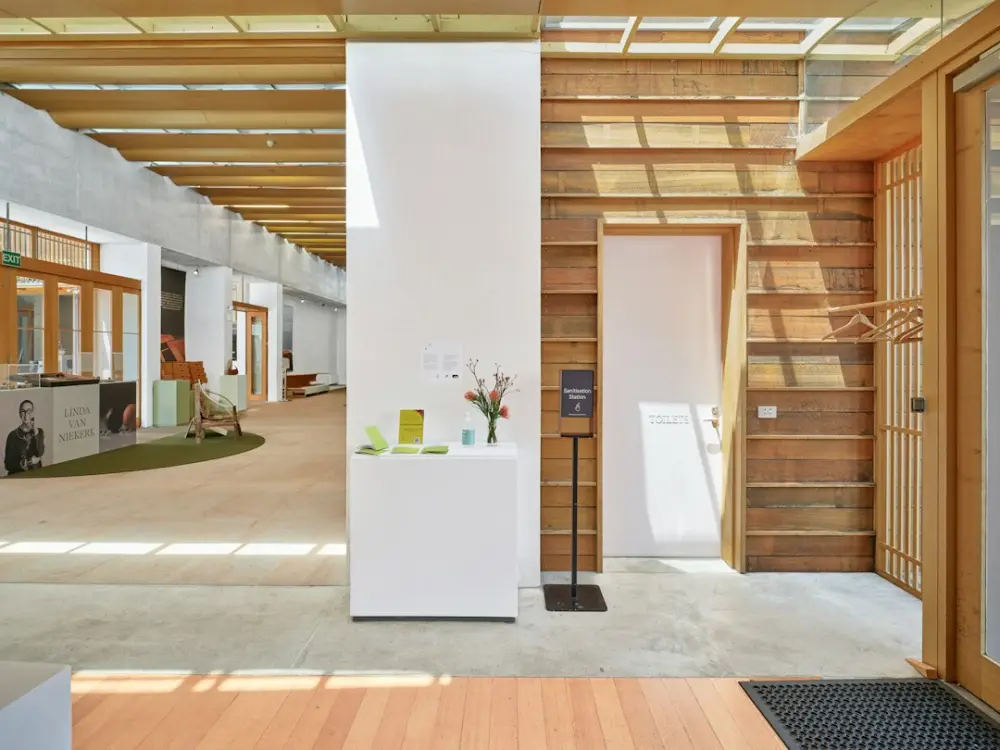
Sustainable interior design is a holistic approach to creating indoor spaces that minimize environmental impact while promoting the health and well-being of occupants. It focuses on using renewable materials, reducing waste through circularity, and improving energy efficiency. By prioritising ethical sourcing and long-term durability, designers create beautiful environments that respect both people and the planet.
This shift toward conscious inhabitation represents more than a passing trend; it is a fundamental re-evaluation of our relationship with the objects and structures that frame our daily lives. As we move away from the era of disposable aesthetics, we are rediscovering the intrinsic value of materials that age with grace and the profound peace that comes from a home aligned with ecological integrity.
Understanding the Foundations of Sustainable Interior Design
The foundations of sustainable interior design rest upon the intersection of environmental stewardship, social equity, and economic viability. Historically, interior design was often viewed through the lens of pure ornamentation or status. However, the contemporary discipline recognises that every choice—from the pigment in a wall paint to the species of timber used in a dining table—carries a global footprint. To design sustainably is to acknowledge the lifecycle of every element within a room, ensuring that the beauty of the present does not come at the expense of the future.
At its core, this approach seeks to reduce the "embodied carbon" of a space. Embodied carbon refers to the total greenhouse gas emissions generated by the extraction, manufacture, transportation, and installation of building materials. By choosing local materials and low-impact production methods, designers can significantly lower the environmental debt of a project before the first piece of furniture is even moved into place. Furthermore, the foundation of sustainability is built on the concept of indoor environmental quality (IEQ), which prioritises the health of the inhabitant by eliminating toxins and enhancing natural light.
Key Principles for Creating Eco-Friendly Living Spaces
To implement a truly sustainable vision, designers adhere to several core principles that guide the spatial arrangement and functional choices of a home. These principles ensure that the space remains efficient, healthy, and adaptable over decades rather than years.
Energy and Water Efficiency
While often associated with architecture, interior design plays a crucial role in energy conservation. The placement of mirrors to bounce natural light, the selection of thermal-backed window treatments to regulate temperature, and the choice of light-coloured finishes to reduce the need for artificial illumination are all strategic sustainable acts. Integrating low-flow fixtures and energy-efficient appliances further reduces the daily operational impact of the household.
Waste Reduction and Resource Management
The principle of waste reduction encourages designers to work with what already exists. This is where the concept of adaptive reuse is actually transforming the industry. Instead of stripping a space to its shell, sustainable design looks for ways to refinish original floors, repurpose vintage joinery, or integrate salvaged architectural elements. When new items are necessary, the focus shifts to materials that are easily recyclable or biodegradable at the end of their life.
Healthy Indoor Ecosystems
A sustainable home must be a sanctuary for its inhabitants. This involves the deliberate use of use biophilic design to finally make, which integrates natural patterns, vegetation, and organic textures into the interior. Research suggests that these elements lower stress levels and improve cognitive function. By bridging the gap between the built environment and the natural world, we create spaces that nourish the psyche while respecting the earth.
Evaluating Materials for Environmental and Health Impacts
The selection of materials is perhaps the most tangible aspect of sustainable design. Every material has a story, and evaluating that story requires a rigorous look at its origins and its chemical composition. Designers often look for third-party certifications, such as the Forest Stewardship Council (FSC) for timber or Cradle to Cradle certifications for manufactured goods, to verify environmental claims.
- Renewability: Materials like bamboo, cork, and rapidly renewable timbers are preferred because they regenerate much faster than traditional hardwoods.
- Toxicity and VOCs: Many conventional paints, adhesives, and synthetic carpets release Volatile Organic Compounds (VOCs) into the air long after installation. Sustainable design prioritises low-VOC or zero-VOC alternatives, such as clay-based plasters, natural oils, and water-based finishes, to ensure superior air quality.
- Natural Fibres: In upholstery and textiles, the shift toward organic wool, linen, and hemp reduces the reliance on petroleum-based synthetics like polyester. These natural fibres are not only more breathable but also possess a tactile richness that synthetic mimics cannot replicate.
- Reclaimed and Upcycled Elements: Using reclaimed wood or recycled metal prevents new raw materials from being extracted and keeps functional items out of landfills. These materials often carry a unique patina—a visual history that adds depth and character to a contemporary interior.
Designing for Longevity: The Importance of Durability and Circularity
In a world of "fast interiors," designing for longevity is a radical act of sustainability. The most eco-friendly product is often the one that never needs to be replaced. Durability is not merely about physical strength; it is about aesthetic resilience. When a piece of furniture is designed with a timeless silhouette and executed with high-quality joinery, it transcends trends and becomes a legacy item.
The concept of circularity takes this a step further. According to the Ellen MacArthur Foundation, a circular economy is based on the principles of designing out waste and pollution, keeping products and materials in use, and regenerating natural systems. In the context of interior design, this means choosing furniture that can be easily repaired, reupholstered, or disassembled. It involves a shift in mindset: we are no longer consumers of temporary goods, but stewards of lasting objects.
Designing for circularity also involves "design for disassembly." This ensures that at the end of a product's long life, its component parts—the wood, the metal, the glass—can be separated and returned to their respective technical or biological cycles. This prevents the "monstrous hybrids" of mixed materials that are impossible to recycle and destined for the incinerator.
Ethical Craftsmanship as a Pillar of Sustainable Design
Sustainability is inextricably linked to the human element. Ethical craftsmanship represents the soul of sustainable design, ensuring that the hands that shape our environments are treated with dignity and that traditional skills are preserved for future generations. When we choose handcrafted pieces over mass-produced items, we are supporting a localised economy and reducing the carbon costs associated with global industrial shipping.
At Bottega Michelangeli, this philosophy is etched into every curve of the wood. Craftsmanship in the Orvieto tradition is not just about the final product; it is about a slow, intentional process that respects the raw material. Wood, as a living medium, requires an understanding of its grain, its strength, and its temperament. By employing artisanal techniques that have been refined over generations, we create objects that possess an inherent "honesty." There is no hidden waste, no planned obsolescence—only the enduring dialogue between the artisan and the timber.
Ethical craftsmanship also fosters a deeper emotional connection between the user and the object. When we know the story of a piece—who made it, where the wood was sourced, and the heritage it represents—we are far less likely to discard it. This emotional durability is a vital, though often overlooked, component of sustainability. It transforms a house from a collection of commodities into a curated sanctuary of meaning. By prioritising the artisan over the assembly line, we ensure that our interiors reflect a world that is not only beautiful to look at but also fundamentally just and enduring.